
The Allure of Risk and Reward
The excitement of gambling is deeply rooted in the psychological thrill that arises from taking risks and the potential for rewards. When players step into a casino, they are often captivated by the bright lights and the sounds of spinning reels, which create an atmosphere filled with anticipation. This stimulating environment engages the brain’s reward system, releasing dopamine, a neurotransmitter linked to feelings of pleasure and satisfaction. For many individuals, the prospect of winning large sums can evoke a euphoric rush, overshadowing the possibility of loss and compelling them to engage in behavior that may seem irrational. This magnetic allure of risk fuels the desire to participate in various games, including the crypto casino instant withdrawal options that draw players in with promises of fortune.
Furthermore, understanding the psychology behind risk helps clarify why certain individuals develop habitual gambling tendencies. Each win, no matter how small, reinforces the behavior, prompting players to continue with the hope of recapturing that pleasurable sensation. This phenomenon is often referred to as “gamblers’ fallacy,” where individuals believe that past outcomes can influence future results. This belief perpetuates a cycle of chasing losses, as players become emotionally attached to their gambling experiences, making it increasingly challenging to walk away even as losses accumulate. The interplay of reward and risk creates a compelling narrative that keeps players engaged, often against their better judgment.
The inherent randomness in many casino games further intensifies this psychological thrill. Games of chance, such as slots or roulette, do not provide predictable results, amplifying a player’s sense of risk and excitement. This unpredictability can be exhilarating, as players find themselves on the brink, hoping that fortune will smile upon them. Casinos adeptly capitalize on this dynamic by designing games and environments that maximize sensory stimulation and emotional highs, ultimately fostering a deep-seated attachment to the gaming experience. The combination of risk and reward creates a potent cocktail of excitement that keeps players coming back for more.
The Role of Cognitive Biases
Cognitive biases significantly influence gambling behavior, often leading players to make decisions that defy logical reasoning. One prevalent bias is the illusion of control, where players mistakenly believe they can influence the outcome of a game through their actions. This is particularly evident in games like poker, where skill and strategy can impact results. However, even in games purely based on chance, players may feel that engaging in certain rituals or adopting specific betting patterns can sway luck in their favor. This belief can lead to irrational decision-making and an overestimation of personal influence over outcomes.
Another common cognitive bias among gamblers is the availability heuristic, where individuals assess the likelihood of an event based on how easily they can recall instances of it. For instance, if a player hears about someone winning a jackpot, they may overestimate their own chances of winning, which can lead to riskier behavior. This distorted perception creates a reinforcing cycle, as gamblers pursue “easy wins” based on anecdotal evidence, often disregarding the odds that are stacked against them. Such biases skew their understanding of reality, making them more susceptible to gambling-related pitfalls.
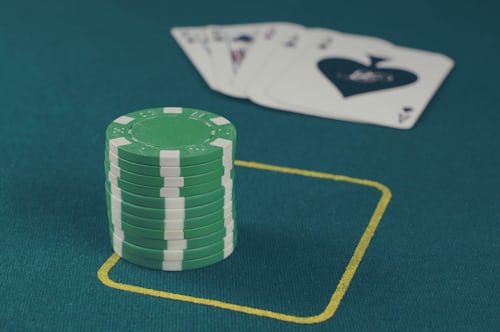
Casinos often exploit these cognitive biases through targeted marketing strategies and game design. By presenting games as easily winnable and highlighting success stories, casinos tap into the psychological vulnerabilities of players. Simplified advertising messages and the strategic placement of winning machines create a false sense of hope and control, driving players deeper into their gambling pursuits. This manipulation of cognitive biases not only enhances player engagement but also masks the reality of the odds involved, leading to continued participation in gambling activities.
Emotion and Gambling Decisions
The emotions that arise during gambling can have a profound impact on decision-making processes. When players find themselves in a heightened emotional state—whether it stems from excitement after a win or frustration following a loss—they may act impulsively, often betting more than they typically would. This phenomenon is closely tied to the concept of emotional banking, wherein individuals become emotionally invested in their gambling outcomes, distorting their judgment and leading to riskier behavior. The interplay of emotions and decisions can create a volatile environment, where rational thought is overshadowed by the immediate feelings of the moment.
Moreover, euphoric feelings can lead to a state known as “chasing the high,” where gamblers continuously seek the pleasurable sensations associated with winning, often disregarding the reality of potential losses. This emotional rollercoaster blurs the lines between responsible gambling and compulsive behavior. As the initial excitement morphs into an obsession, players may ignore warning signs, ultimately leading to severe financial consequences. The urge to recapture that winning feeling can override logical reasoning, trapping players in a cycle of despair and hope.
Additionally, casinos are designed to amplify emotions deliberately, using elements such as music, lighting, and scents to create an engaging atmosphere. This sensory overload heightens emotions, drawing players into the experience and intensifying their decisions. By fostering a psychologically immersive environment, casinos effectively raise the emotional stakes of gambling, leading to increased engagement and a higher likelihood of continued play. The intricate relationship between emotion and decision-making underscores the power of psychological influences in the gambling arena.
The Social Aspect of Gambling
While gambling is often viewed as a solitary activity, it is inherently social in many contexts. Interactions with other players, dealers, and the overall community can significantly shape an individual’s gaming experience. This social environment not only provides a sense of belonging but also influences players’ behaviors and decisions. For instance, the presence of friends can create a more relaxed atmosphere, encouraging individuals to take risks they might otherwise avoid when playing alone. This social dynamic fosters a shared experience that enhances the enjoyment of the games.

Furthermore, socializing in a casino setting can evoke positive emotions, making the overall experience more enjoyable and memorable. Players may bond over shared excitement during wins or collective disappointment after losses, cultivating relationships that extend beyond the gaming floor. These social ties can create a cycle where individuals feel compelled to return to the casino, not just for the games but also for the connections and camaraderie that accompany them. The communal aspect of gambling enriches the experience, transforming it into a shared journey that extends beyond mere entertainment.
Recognizing the importance of social dynamics, casinos have integrated various features to enhance this aspect. Group games, tournaments, and social lounges are designed to foster interaction among players, creating an environment where camaraderie is encouraged. This communal atmosphere not only enhances individual experiences but also contributes to the overall vibrancy of the casino, making it a thriving hub of social activity. By nurturing these connections, casinos effectively deepen players’ emotional ties to the gaming experience, reinforcing their desire to return.
Understanding Casino Design and User Experience
The design of a casino is meticulously crafted to enhance the player experience, engaging their senses in ways that encourage prolonged play. From the layout of the gaming floor to the choice of colors and lighting, every element is intentionally designed with psychological principles in mind. Casinos frequently employ a labyrinth-like structure that facilitates easy navigation from one game to another, increasing the likelihood of extended visits. This strategic design keeps players immersed in the environment, often leading them to lose track of time and the reality of their gambling behavior.
Moreover, sound design plays a crucial role in shaping the casino experience. The sounds of winning machines, cheering crowds, and ambient music create an atmosphere that fosters excitement and positivity. These auditory cues trigger emotional responses, further reinforcing the desire to continue playing. The incorporation of familiar sounds—such as the ringing of coins or celebratory music—when a player wins can evoke a euphoric feeling, prompting them to keep playing in pursuit of that blissful sensation. This careful orchestration of sound significantly enhances the overall gambling experience.
In addition to sensory engagement, the availability of complimentary services, such as free drinks and dining options, encourages players to extend their stay at the casino. This approach leverages the psychological principle of reciprocity; when players receive something for free, they often feel compelled to reciprocate by continuing their stay and gambling. Such strategic design choices underscore the intricate relationship between casino psychology and consumer behavior, illustrating how environments are crafted to align with players’ emotional and psychological needs. Ultimately, a well-designed casino is a masterclass in understanding the interplay of psychology, design, and user experience.


